
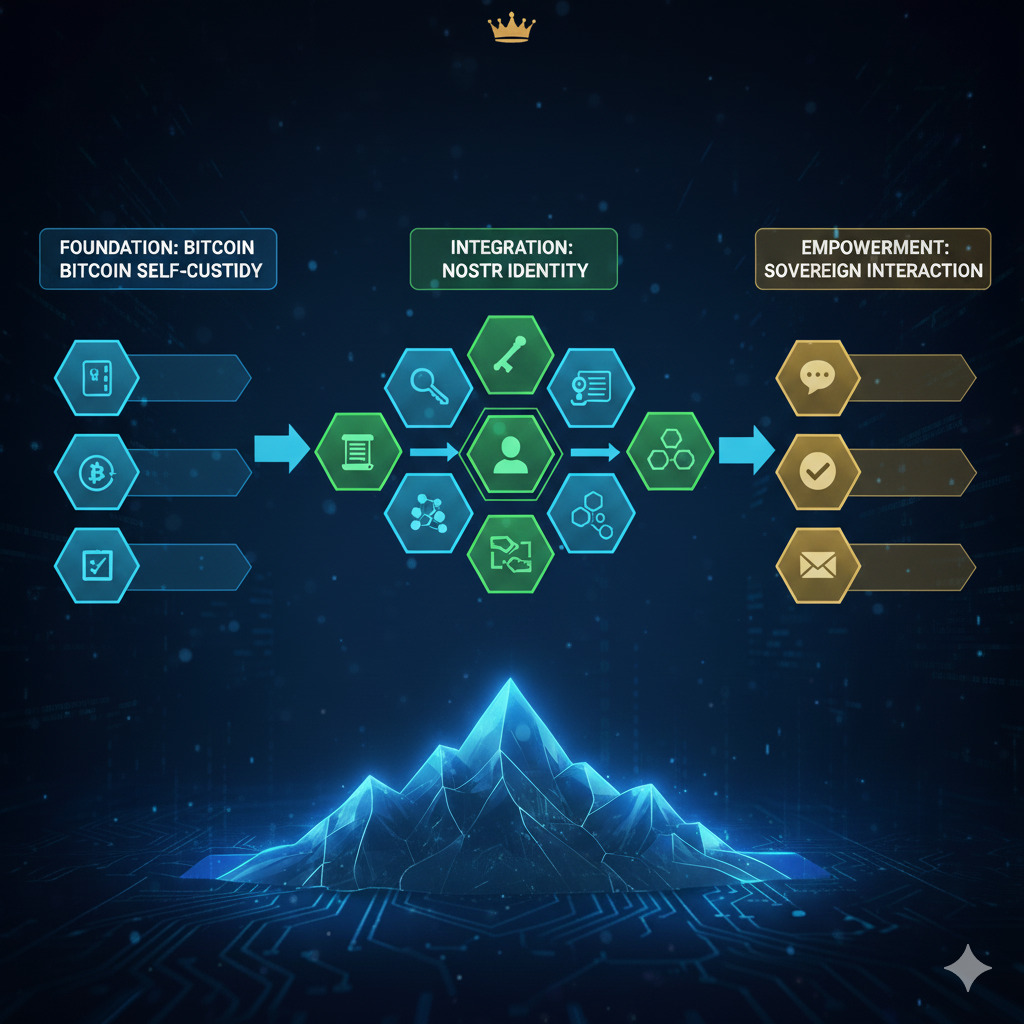
In a world where centralized platforms control both our money and our message, Bitcoin and Nostr offer a powerful alternative. Bitcoin solves the monetary pitfalls of centralized systems, while Nostr addresses the corresponding need for decentralized, censorship-resistant communication. Together, they create a foundation for what I call Operational Sovereignty — taking full self-custody of your identity, content, and revenue streams, moving your entire professional stack away from reliance on third-party platforms.
This guide will walk you through the synergy between Bitcoin self-custody and the Nostr protocol, showing you how to build a sovereign digital presence that no platform can censor or control. Whether you’re a content creator, consultant, or Bitcoin professional, these tools can help you achieve true independence in the digital realm.
The Sovereignty Imperative: Why Self-Custody Matters
Self-custody in Bitcoin means taking personal responsibility for managing and securing your bitcoin. It’s like being your own bank – having full control over your digital assets without relying on third parties like exchanges or custodial wallets. While empowering, it also requires you to safeguard your bitcoin yourself.
Not your keys, not your coins! This mantra underscores the fundamental principle of Bitcoin self-custody. If you don’t control the private keys, you don’t truly own your bitcoin.
The significance of self-custody becomes apparent when we look at real-world incidents. Consider the Mt. Gox incident in 2014, one of the most infamous bitcoin exchange hacks, where users lost approximately 740,000 bitcoin. More recently, the FTX exchange’s bankruptcy left many users in financial limbo. All these examples underscore the risks associated with leaving your assets on exchanges.
The Full Stack Problem
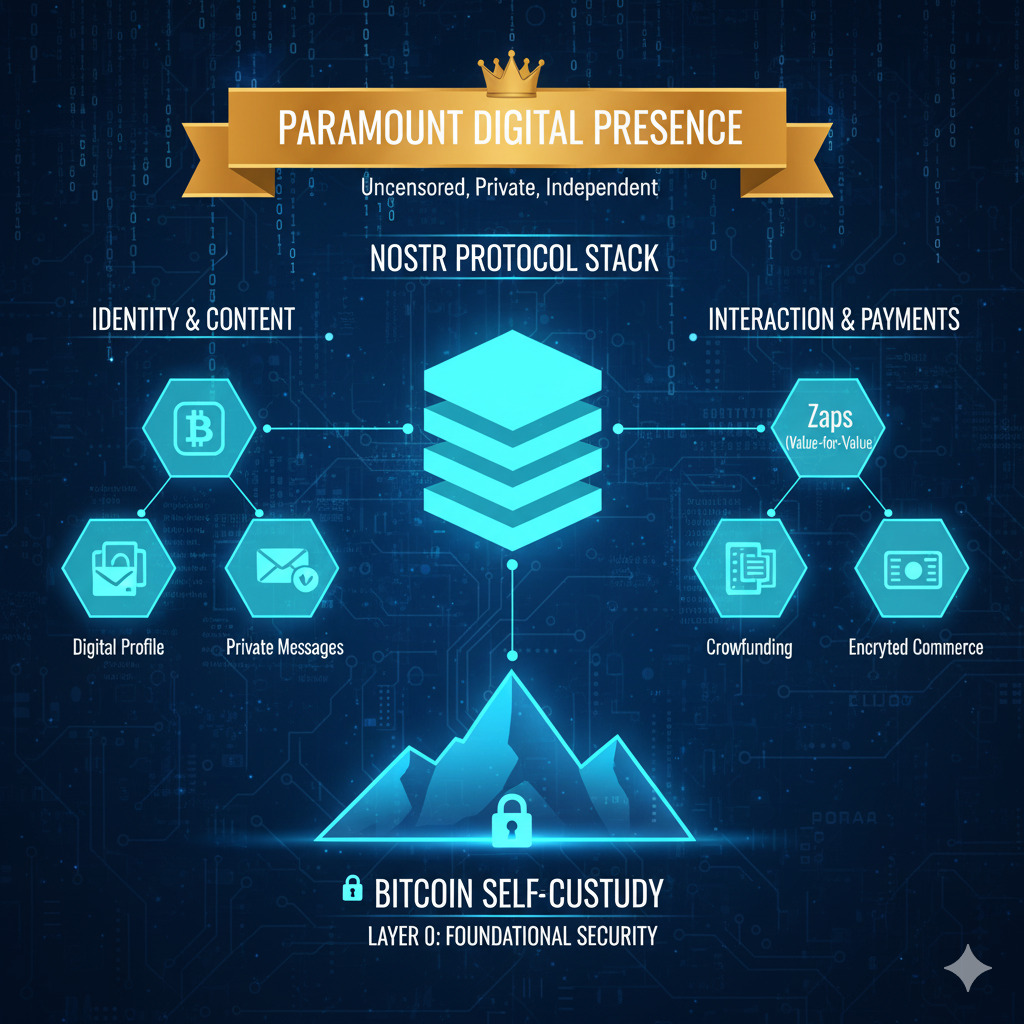
Most Bitcoin professionals face a contradiction: they advocate for financial sovereignty while relying on centralized platforms for their professional presence and income. The Nostr protocol offers a solution by extending the principles of Bitcoin self-custody to your entire digital presence.
True sovereignty isn’t just about securing your bitcoin—it’s about owning your entire digital stack from identity to income.
Pillar 1: Content Sovereignty and Identity Custody
Just as Bitcoin gives you control over your money through private keys, Nostr gives you control over your digital identity and content through similar cryptographic principles.

Your Key is Your Identity (Self-Custody 101)
In the Nostr ecosystem, your private key is the root authority of your identity. Your public key is your addressable identity that others can interact with, but your private key is what gives you complete control over all content you publish.
Security Warning: Your Nostr private key controls your entire digital identity. Secure it with the same diligence you would use for your Bitcoin private keys.
Best Practice: Secure Key Derivation (NIP-06)
Rather than using a randomly generated private key, implement NIP-06 to derive your Nostr keys from a mnemonic seed phrase. This allows you to back up your identity using the same methods you use for Bitcoin self-custody.
Implement Secure Key Derivation
Generate your Nostr keys securely using NIP-06 standards to ensure maximum security and recoverability.
Building a Censorship-Resistant Knowledge Base
With Nostr, you can build a permanent, self-custodied knowledge repository that no platform can censor or delete.
The Enduring Archive (NIP-23)
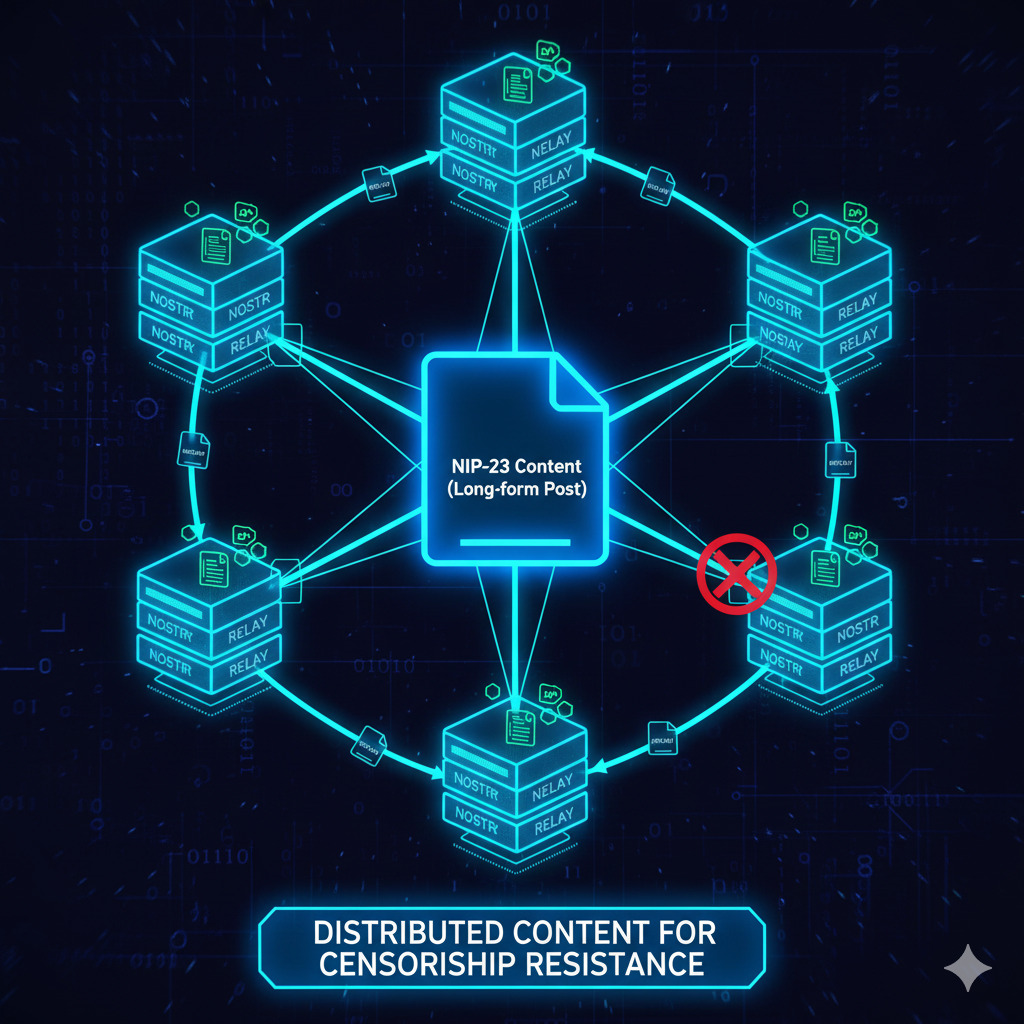
NIP-23 (Long-Form Content) allows you to publish technical content directly to the Nostr protocol. Unlike traditional platforms where your content can be removed at any time, content published through NIP-23 is broadcast to multiple independent relays, ensuring no single entity can unilaterally delete or censor your expert content.
Use Cases for NIP-23
- Technical tutorials on Bitcoin UTXOs
- Lightning Network implementation guides
- Self-custody best practices
- Multisignature wallet setups
- Sovereign computing guides
Benefits of Protocol Publishing
- Content cannot be deplatformed
- No algorithmic suppression
- Direct monetization through Zaps
- Ownership of your intellectual property
- Permanent archival of your knowledge
Pillar 2: Zaps as Auditable, Self-Custodial Economic Proof
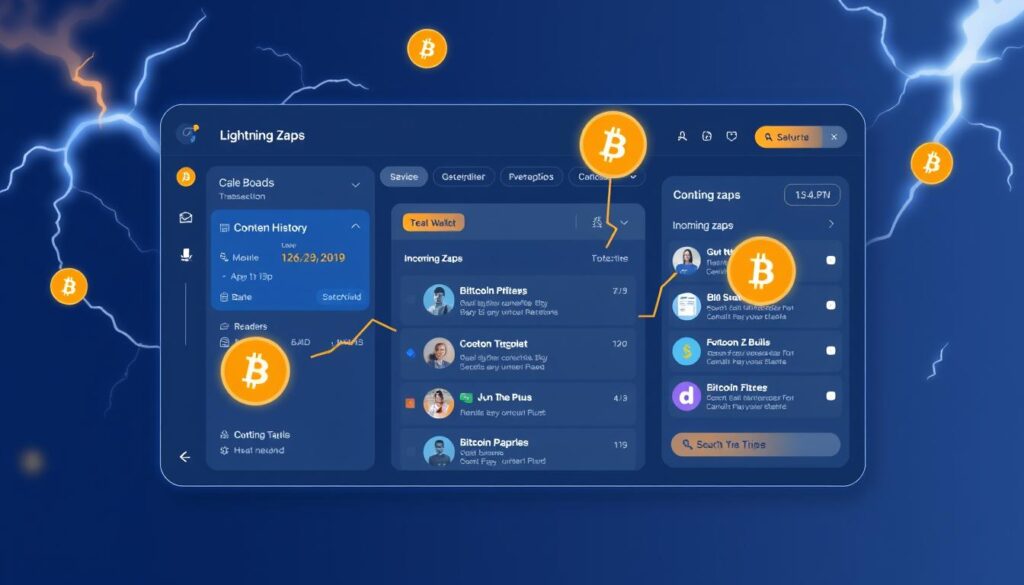
Zaps are instant Lightning Network payments cryptographically tied to content, serving as a value-for-value mechanism. Unlike traditional “likes” or engagement metrics, Zaps represent actual economic value transferred directly from readers to creators.
The Custody Choice: Your Wallet, Your Sovereignty
When it comes to receiving Zaps for your content, you face a critical choice between custodial and self-custodial Lightning wallets.
| Aspect | Custodial Lightning Wallets | Self-Custodial Lightning Wallets |
| Key Control | Service provider holds keys | You control your own keys |
| Censorship Risk | Provider can freeze funds | No third-party can block access |
| Sovereignty | Limited – depends on provider | Complete financial sovereignty |
| Setup Complexity | Simple, user-friendly | More technical setup required |
| Recommended For | Beginners, small amounts | Serious creators, larger amounts |
As your Zap income grows, transitioning to self-custody becomes increasingly important. Don’t wait until you have significant value at risk before implementing proper security measures.
Security Mandate: Separate Your Keys
One of the major security risks in the Nostr ecosystem is using the same private key to sign messages and authorize Lightning transactions. This can lead to wallet compromise if a client is untrustworthy.
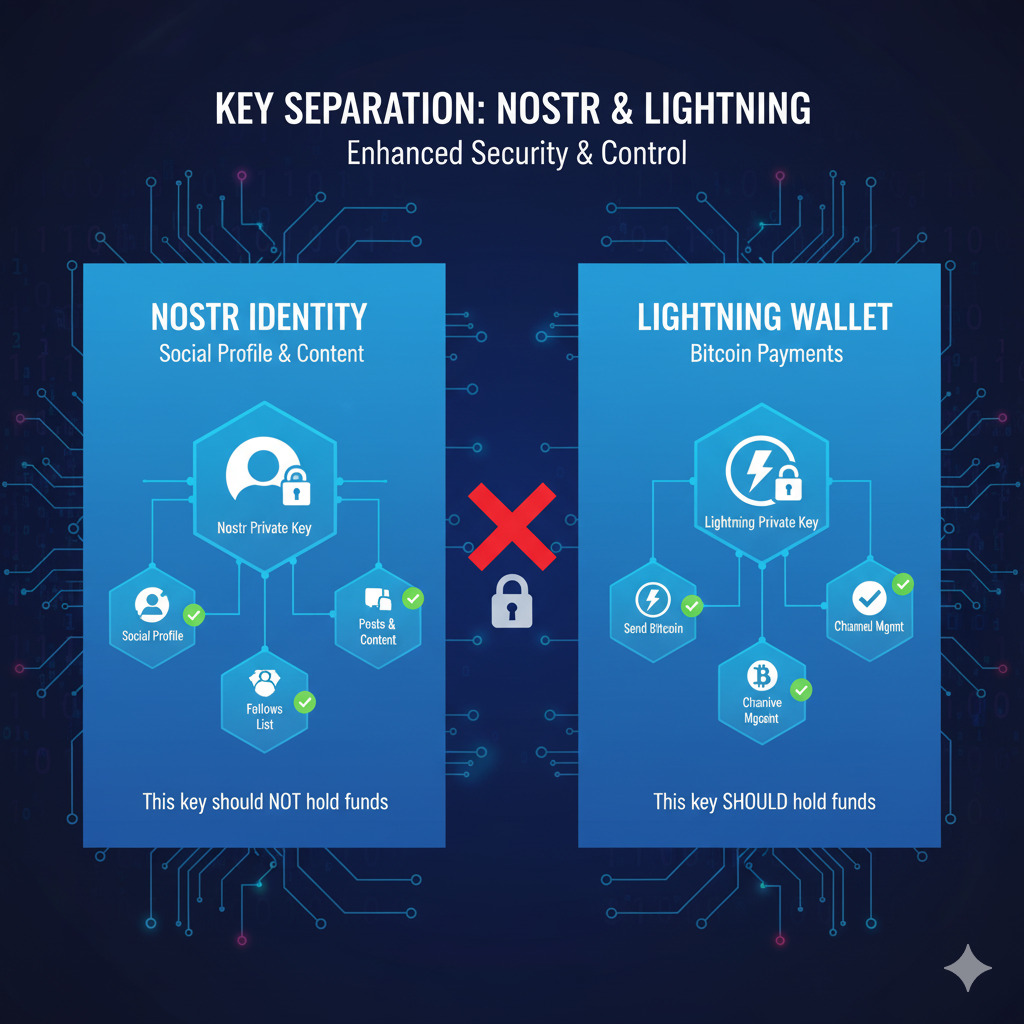
The solution is key separation. Use browser extensions implementing NIP-07 (like Alby or Nos2x) or remote signing protocols (NIP-46) to ensure the key authorizing payment is strictly isolated from the key signing content.
Implement Key Separation
Secure your Lightning Zaps Wallet by implementing proper key separation between your identity and your funds.
Advanced Self-Custody: Leveraging Multisig
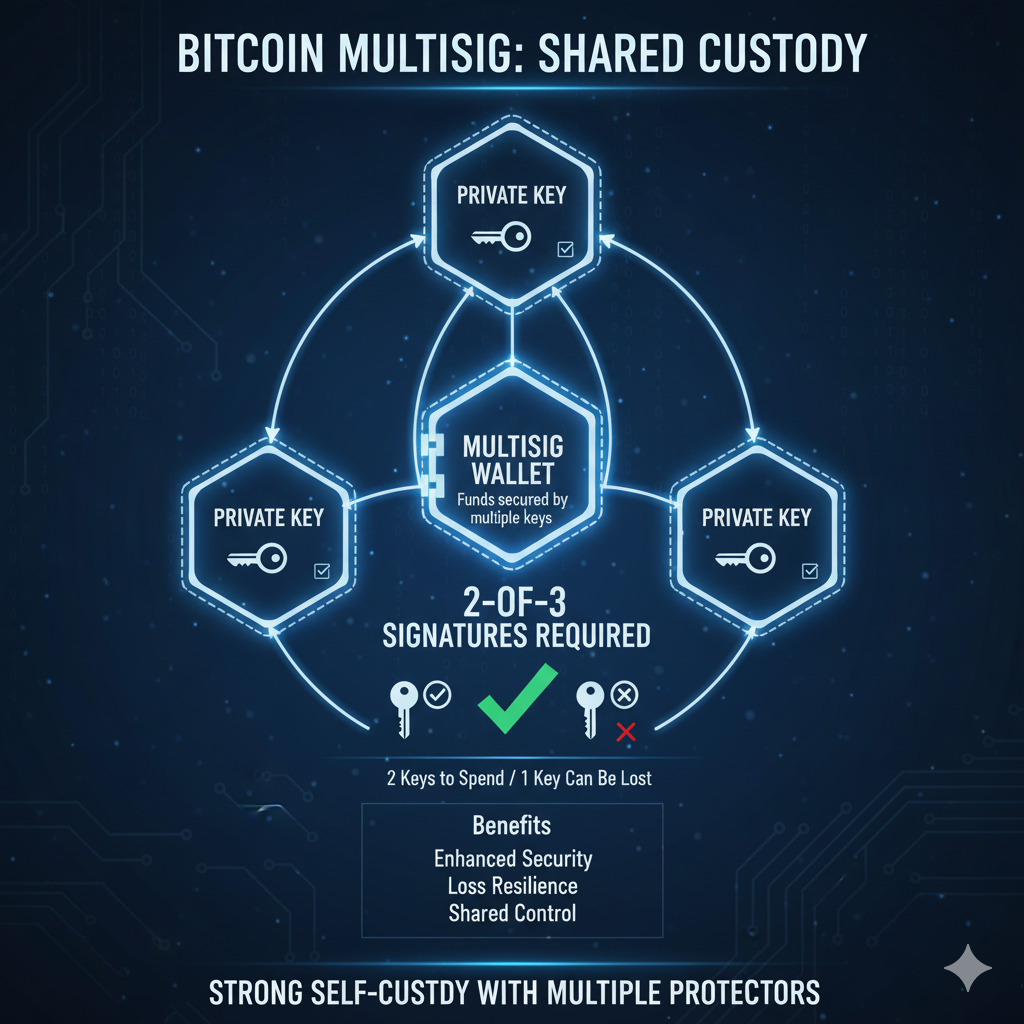
For maximizing security and resilience against both remote hacks and physical destruction, professional Bitcoin users should graduate to multisignature (multisig) wallets. Multisig requires multiple keys (from different devices or parties) to authorize any spending transaction, providing redundancy and preventing single points of failure.
Tool Highlight: Electrum Nostr Cosigner Plugin
The Electrum Nostr Cosigner Plugin facilitates the complex coordination required for multisig spending. This plugin streamlines the process by encrypting a partially signed transaction with the co-signer’s public key and making it available for the required final signature.
Zaps as Verifiable Social Proof
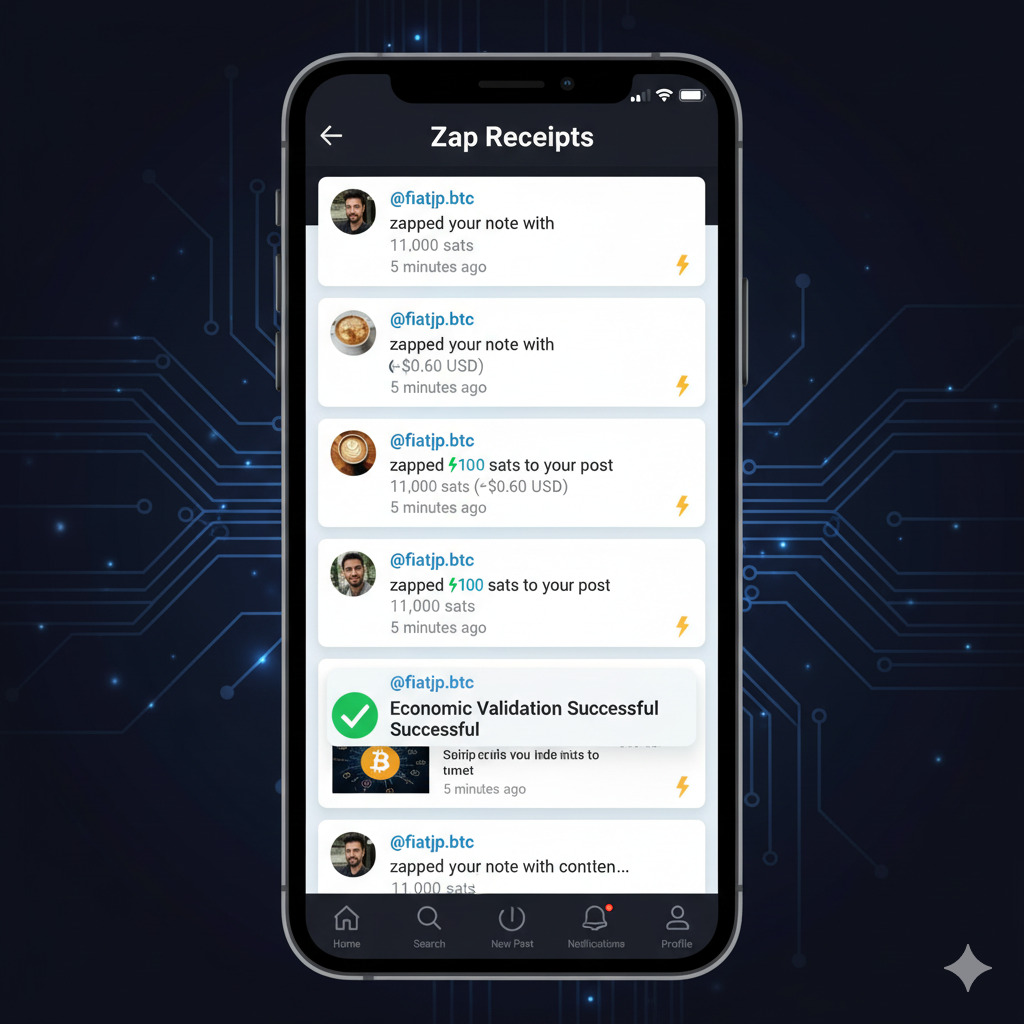
Beyond their monetary value, Zaps function as Proof-of-Value (PoV) for your content. Unlike free “likes” on traditional platforms, Zaps cost real Bitcoin (satoshis), functioning as a “voting mechanism with proof-of-work built into it”.
Every successful Zap generates a public, immutable Kind 9735 Zap Receipt on the relays. This receipt provides an auditable, decentralized reputation score that validates the content’s economic worth.
Pillar 3: Nostr Integration for Sovereign Service Access
Beyond content and payments, Nostr provides protocols to replace centralized SaaS tools with a fully decentralized stack that maintains self-custody over your professional services.
Listing and Pricing (NIP-99)
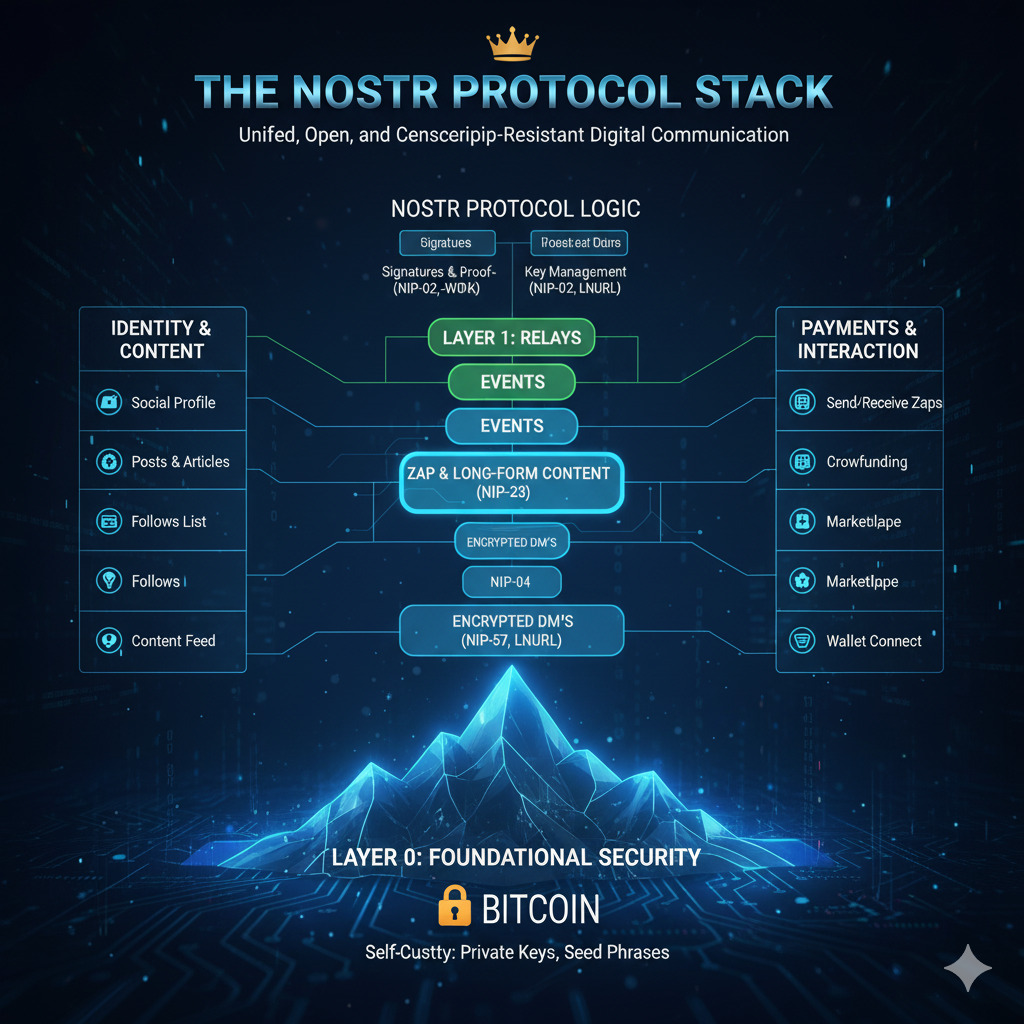
Use NIP-99 (Classified Listings) to formally declare consulting services, pricing, and terms. This replaces centralized marketplaces and ensures service listing sovereignty.
Stable Quoting, Bitcoin Settlement
With NIP-99, you can quote service fees in stable fiat currencies (e.g., USD, EUR) while mandating that final settlement must occur instantly via Lightning satoshis. This gives clients the pricing stability they need while ensuring you maintain Bitcoin self-custody over your earnings.
Frictionless, Self-Custodial Payment Flow
Utilize NIP-47 (Nostr Wallet Connect) to replace centralized payment processors. This protocol securely links the client’s front-end application with their own self-custodial Lightning wallet, allowing automated, friction-free payment authorization for upfront deposits or hourly fees.
The Lightning Network’s speed (milliseconds to seconds) and low cost are crucial for this professional commerce layer, ensuring instantaneous and secure settlement without needing a third-party payment custodian.
Decentralized Scheduling and Logistics
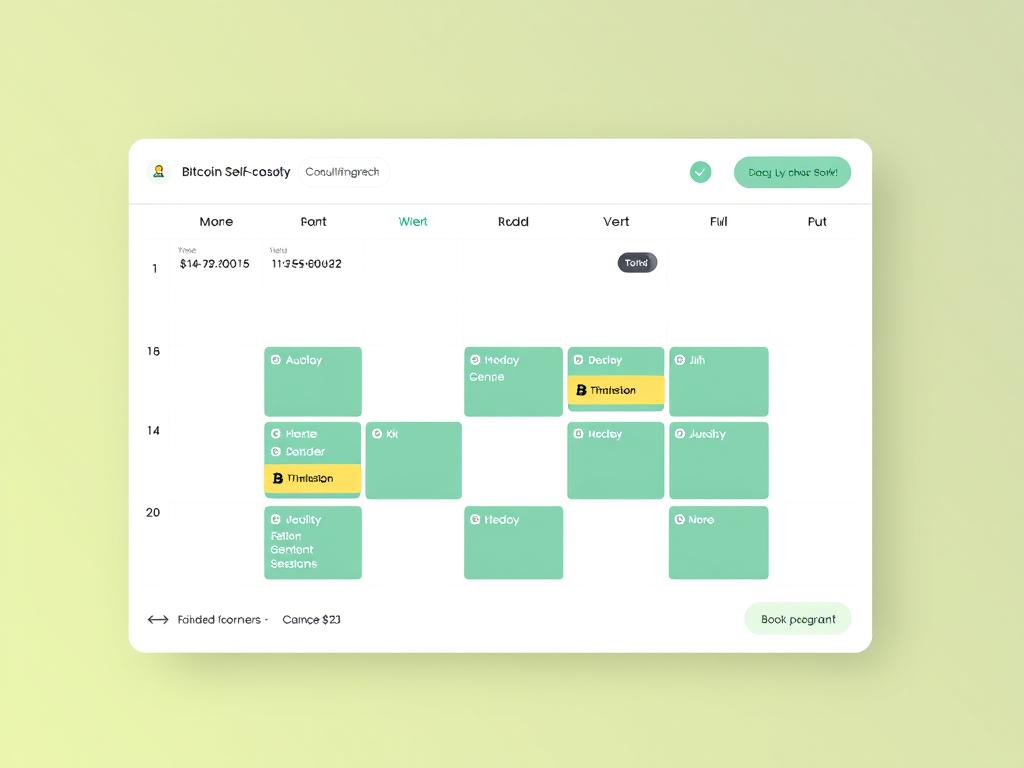
Use NIP-52 (Calendar Events) to broadcast machine-readable availability slots, replacing centralized scheduling services like Calendly and keeping the entire client booking funnel native to the decentralized protocol.
Build Your Sovereign Service Stack
Replace centralized SaaS tools with Nostr protocols for truly sovereign business operations.
Implementation Guide: Your Path to Sovereignty
Step 1: Secure Your Keys
- Generate a secure mnemonic seed phrase using BIP-39 standards
- Derive your Nostr private key using NIP-06
- Set up a separate Lightning wallet with its own keys
- Implement key separation using NIP-07 extensions
- Create secure backups of all keys using metal storage
Step 2: Establish Your Sovereign Identity
- Register a NIP-05 identifier for human-readable addressing
- Connect to multiple reliable relays for redundancy
- Publish your first NIP-23 long-form content
- Set up your Lightning address for receiving Zaps
- Test the full publishing and monetization flow
Step 3: Build Your Sovereign Business Stack
- Implement NIP-99 for service listings
- Set up NIP-47 for seamless payment processing
- Configure NIP-52 for decentralized scheduling
- Create templates for common service offerings
- Test the full client acquisition and service delivery flow
Benefits of Implementation
- Complete sovereignty over your digital identity
- Censorship-resistant content and services
- Direct monetization without platform fees
- Immutable reputation through Zap receipts
- Protection from platform deplatforming
Implementation Challenges
- Steeper learning curve than centralized alternatives
- Responsibility for key security and backups
- Smaller initial audience than established platforms
- Technical complexity of multisig setups
- Ongoing protocol changes and updates
Conclusion: The Sovereignty Mandate
The value proposition of a Nostr strategy is not just better marketing, but securing operational sovereignty over your entire business stack, from the private key identity to the final Lightning payment. This approach aligns perfectly with the core values of the Bitcoin ecosystem: sovereignty, financial self-custody, and censorship resistance.
In a world where platforms increasingly control both the message and the money, true sovereignty requires taking custody of both your keys and your content.
As Bitcoin continues to grow in adoption and importance, those who establish sovereign digital presences now will be positioned for success in the decentralized future. The tools and protocols outlined in this guide provide a complete framework for achieving that sovereignty.
Strategic Next Steps
- Set up your NIP-05 address to establish your verified identity
- Transition to a self-custodial Lightning wallet for receiving Zaps
- Establish a policy of key separation and multisig adoption
- Begin publishing your expertise through NIP-23 long-form content
- Connect with the broader Nostr and Bitcoin communities
Begin Your Sovereignty Journey
Take the first step toward complete digital sovereignty with Bitcoin self-custody and Nostr integration.